• Where to Eat in Gyeongju: Best Local Rib Stew Guide (2026)

    Where to Eat in Gyeongju: Best Local Rib Stew Guide (2026)

    Wondering where to eat in Gyeongju (경주) after spending a day exploring the ancient capital of the Silla Kingdom? Most travel itineraries naturally center on historic royal tombs, stone pagodas, and hopping between trendy cafes along Hwangridan-gil (황리단길).

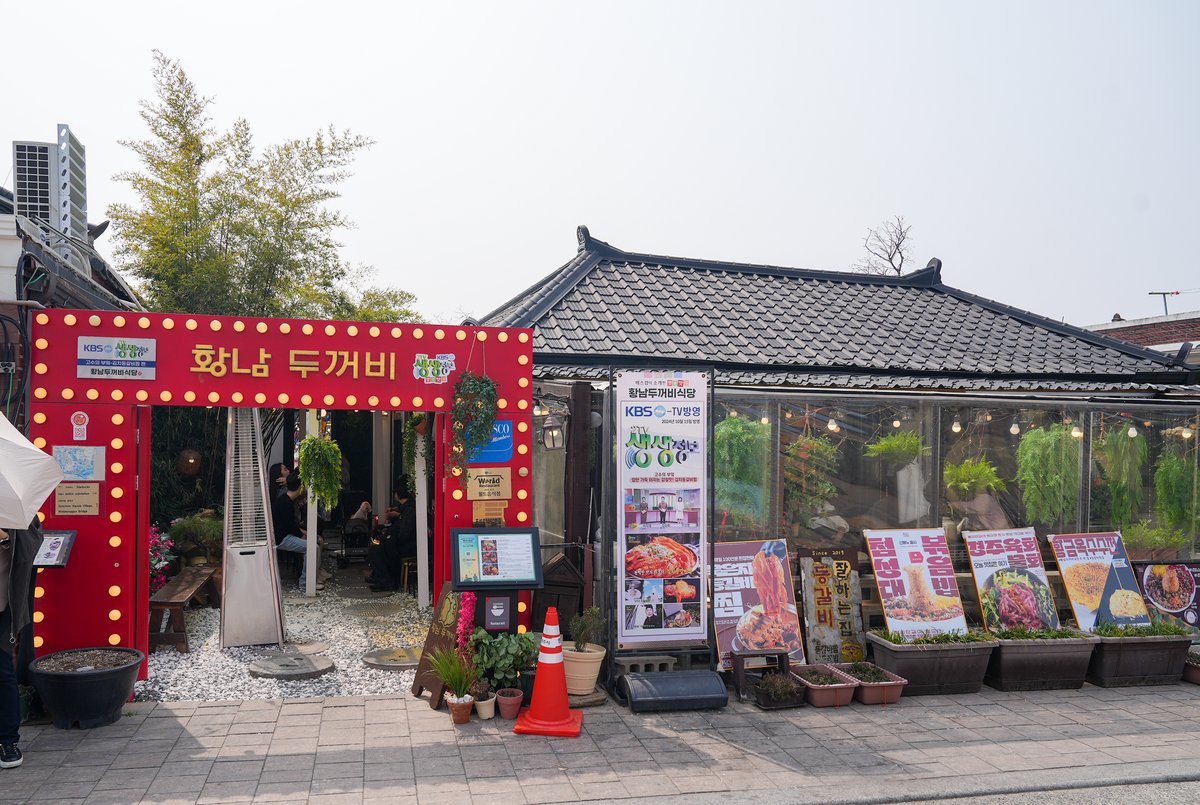
    However, after spending hours walking through archaeological parks, what you often need is a hearty, comforting Korean meal rather than another pastry. Tucked just off Hwangridan-gil’s main street, Hwangnam Ddukkeobi Sikdang (황남두꺼비식당) is a long-standing dinner spot popular among domestic travelers and local families alike, best known for its braised pork back rib stew (Deung-galbi-jjim).


    Where to Eat in Gyeongju: Why This Restaurant Stands Out

    When travelers search for where to eat in Gyeongju for a satisfying dinner, most end up snacking on street food or dining at modern fusion bistros in Hwangridan-gil. While those spots have their charm, Hwangnam Ddukkeobi fills an important gap:

    1. A Proper Sit-Down Meal: Instead of light cafe bites, it offers a warm, savory Korean stew that feels genuinely satisfying after a full day on your feet.
    2. Retro Hanok & Jagae Decor: The interior blends exposed wooden rafters with vintage Korean mother-of-pearl lacquerware (Jagae / 자개장), creating a nostalgic, photogenic atmosphere without feeling like an artificial tourist trap.
    3. Hanok Courtyard & Restful Waiting Space: A charming traditional outdoor courtyard with wooden benches lets you wait comfortably in a relaxed setting, unlike crowded roadside eateries.
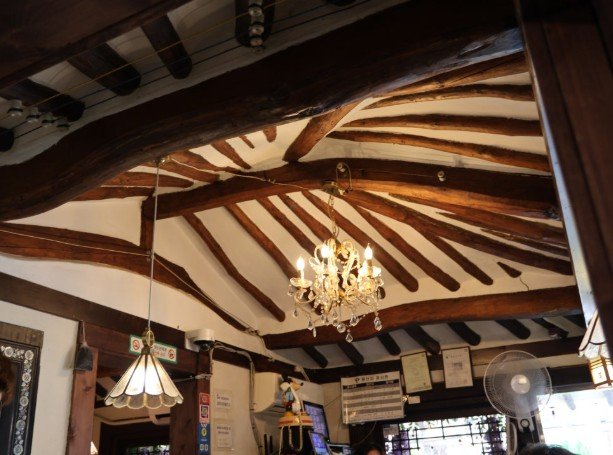
    Traditional Hanok dining interior at Hwangnam Ddukkeobi Sikdang in Gyeongju


    What Is Deung-galbi-jjim?

    If you’re relatively new to Korean cuisine beyond K-BBQ or fried chicken, Deung-galbi-jjim (등갈비찜) is a traditional Korean dish of pork back ribs braised low and slow.

    The ribs are simmered until the meat softens and pulls away cleanly from the bone. At Hwangnam Ddukkeobi, the kitchen prepares two distinct styles: a savory, deep-red chili broth simmered with aged kimchi (Mugeunji), and a sweet, savory soy-glazed version inspired by royal court banquets. It is served over a tabletop stove to stay piping hot throughout your meal.


    What Korean Diners Actually Say

    Cross-referencing verified local reviews across major Korean dining platforms (Naver Place and Dining Code), several consistent themes emerge:

    💬 What Korean Diners Frequently Mention

    • Tender ribs: Meat easily slips off the bone with chopsticks.
    • Kimchi broth balance: Deep, tangy fermented kimchi flavor that cuts through the pork richness.
    • Generous portions: Main stew servings are generous and pair well with rice and pancakes.
    • Fast turnaround: Orders arrive swiftly once seated, even on busy weekend evenings.

    What Locals Usually Order (First-Timer’s Guide)

    If you are researching where to eat in Gyeongju and navigating a Korean stew menu feels confusing, here is the exact combination most Korean diners choose:

    💡 Recommended for 2 People (Pure Flavor Focus):
    2 Portions of Hang-ari Aged Kimchi Rib Stew (항아리 묵은지등갈비찜 — ₩16,900 x 2 = ₩33,800)
    2 Bowls of Steamed White Rice (공기밥 — ₩1,000 x 2 = ₩2,000)
    1 Royal Tomb Cheese Egg Soufflé (경주 왕릉계란찜 — ₩6,000)

    Exact Budget: ₩41,800 (approx. $31 USD total for two, based on reference rate $1 USD ≈ ₩1,350).
    This gives you a balanced spread: rich, moderately spicy rib stew paired with warm rice and a fluffy cheese-topped steamed egg pot to soothe the heat.


    How to Eat Like a Korean Pro

    If you have never eaten Korean braised ribs, here is the authentic 3-step ritual:

    1. Snip the Kimchi: Use the provided kitchen tongs and scissors to cut off the root stem of the aged kimchi (Mugeunji). Slice the long kimchi cabbage leaves lengthwise or into bite-sized pieces so they release their juices into the simmering broth.
    2. Make the Buckwheat Roll: Slide a piece of tender rib meat off the bone with your chopsticks. Place it onto a slice of thin buckwheat pancake (Memil-jeon), add a piece of soft kimchi, roll it up, and take a bite. The earthy pancake balances the spicy, savory meat remarkably well.
    3. The Broth-over-Rice Finish: Spoon three to four spoonfuls of the rich kimchi broth directly over your bowl of white rice. Mix in shredded pork and soft bean sprouts for the comforting finale that locals rarely skip.

    The Main Dishes: Kimchi Stew vs. Cheomseongdae Set

    💡 Exchange Rate Reference Note:
    All converted USD figures throughout this guide are estimated at a baseline reference rate of $1 USD ≈ ₩1,350 KRW. Because foreign exchange rates continuously fluctuate, please treat all dollar estimates as a practical orientation and check live bank rates during your travels.

    1. Hang-ari 60-Hour Aged Kimchi Rib Stew (항아리 묵은지등갈비찜) — ₩16,900 / Portion (~$12.50 USD)

    Served in a traditional Korean earthenware crock (Hang-ari), this is the undisputed #1 best-seller. Whole heads of 60-hour aged kimchi simmer alongside pork ribs, cutting through rich meat juices with tangy, deeply satisfying acidity that pairs perfectly with white rice.
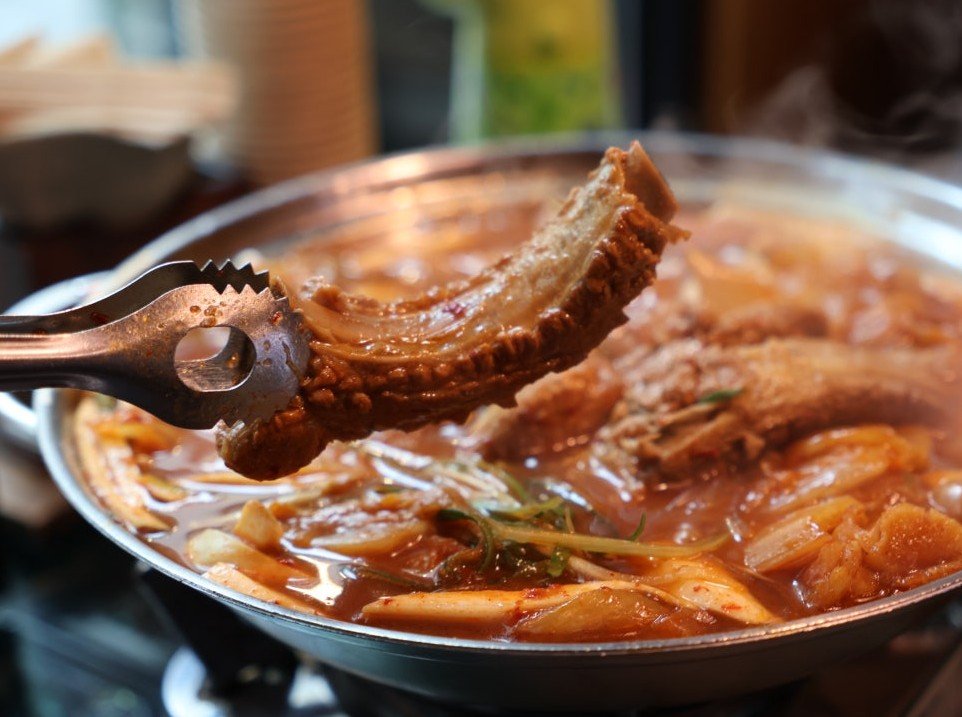
    Boiling pot of aged kimchi pork rib stew on tabletop burner at Hwangnam Ddukkeobi Sikdang

    2. Gamasot 90-Minute Boiled Spicy Rib Stew (가마솥 매운등갈비찜) — ₩15,900 / Portion (~$11.80 USD)

    Simmered for 90 minutes in a traditional heavy iron cauldron (Gamasot), this version focuses purely on signature Korean chili seasoning, king oyster mushrooms, and bean sprouts without kimchi. Choose this if you prefer clean, sharp chili heat rather than fermented kimchi tang.

    3. Royal Court Mild Rib Stew (궁중등갈비찜) — ₩15,900 / Portion (~$11.80 USD)

    Braised without chili peppers, this soy-sauce-glazed stew features a delicate sweet-and-savory fruit base inspired by Joseon royal banquet fare. Perfect for children or anyone sensitive to spice.

    4. Thin Buckwheat Pancake (메밀전) — ₩4,000 (~$3.00 USD)

    A paper-thin, savory buckwheat crepe freshly griddled. Wrap a tender piece of rib meat and aged kimchi inside for an authentic bite.

    🎁 Free Pancake Promo:
    Currently, the restaurant offers one complimentary buckwheat crepe per table with main stew orders. Extra pancakes are ₩4,000 each.
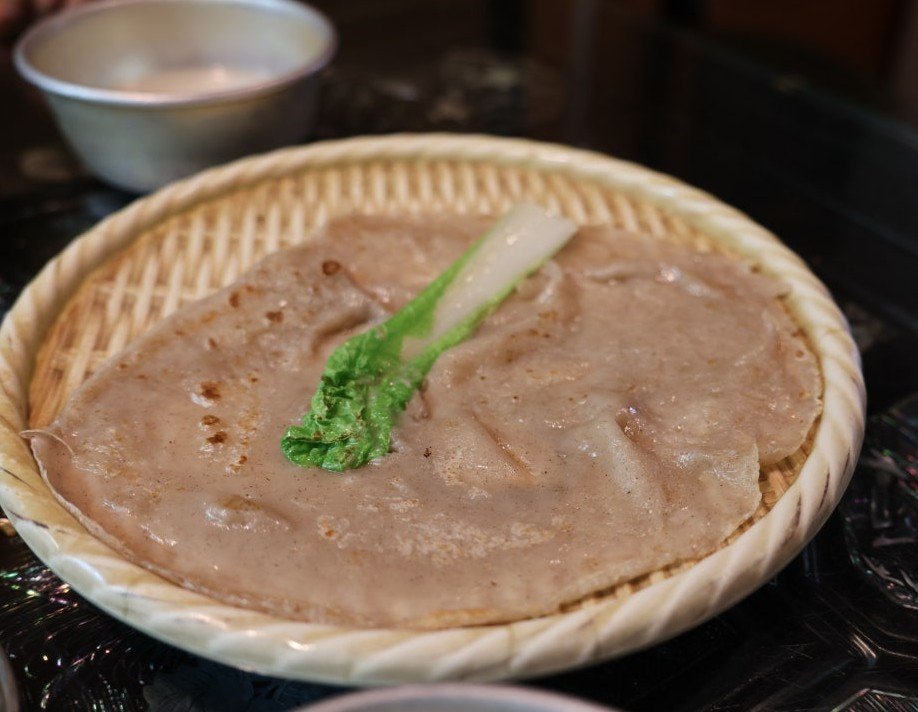
    Freshly pan-fried savory buckwheat crepe (Memiljeon) at Hwangnam Ddukkeobi

    5. Cheomseongdae 7-Course Set (첨성대 7SET) — ₩43,000 (~$31.80 USD)

    A lavish tasting spread named after Gyeongju’s 7th-century astronomical observatory:
    – Crab Roe Fried Rice (Genaejang Bokkeumbap)
    – Seasoned cockles (Beolgyo Kkomak)
    – Korean Hanwoo beef tartare (Hanwoo Yukhoe)
    – Flame-grilled bulgogi and chicken skewers (2 pcs)
    – Flying fish roe perilla leaf wraps
    – Handcrafted grilled rib patty (Tteokgalbi)
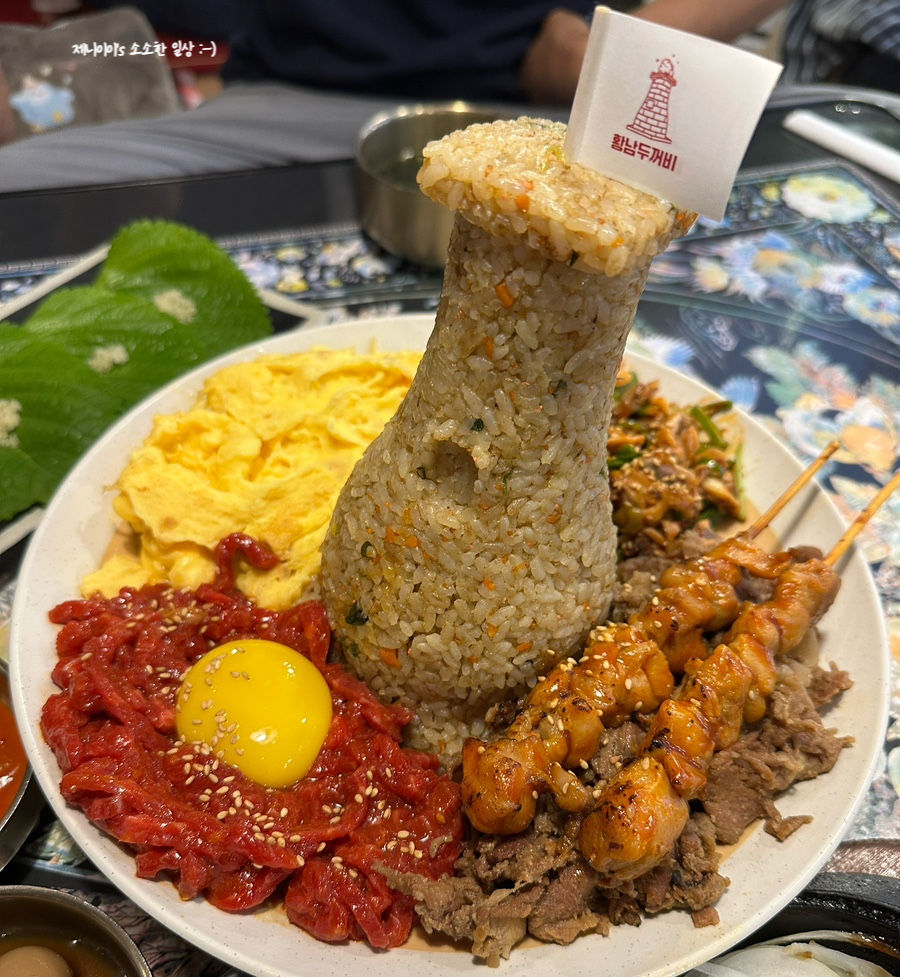
    Cheomseongdae 7-course set table spread at Hwangnam Ddukkeobi Sikdang Gyeongju

    💡 Cheomseongdae Set vs. Kimchi Rib Stew — Which Should You Pick?
    Pick the Cheomseongdae 7-Set (₩43,000) if you are traveling with 2–3 people and want variety and viral photos (you’ll get beef tartare, seasoned cockles, bulgogi, and rice in one platter).
    Stick to the Kimchi Rib Stew (₩16,900/person) if your priority is pure culinary satisfaction and depth of flavor. For local regulars, the boiling pot of aged kimchi and ribs is the undisputed star of the meal.


    Honest Considerations & Practical Tips

    To make sure your visit goes smoothly, keep these practical tips in mind:

    • ⚠️ Peak Wait Times: Expect 20–40 minute queues during peak lunch (12:00–14:00) and weekend dinner (18:00–19:30).
    • ⚠️ No Korean Phone Number? Queue In-Person: The automated kiosk requires a Korean phone number (+82). If you only have a data eSIM, simply show this Korean sentence to the host:
      👉 한국 전화번호가 없는데 대기 어떻게 하나요?” (Hanguk jeonhwabeonhoga eomneunde daegi eotteoke hanayo? = “I don’t have a Korean phone number, how can I queue?”). Showing your phone screen is the quickest and easiest way. Staff will assign you a manual queue number or seat you directly.
    • ⚠️ How to Avoid Waiting Entirely: Arrive 10–15 minutes before opening (10:50 AM for lunch) or right as doors reopen after break time (16:50 PM for dinner).
    • ⚠️ Strict Break Time (15:00 – 17:00): The kitchen and dining hall completely close between 3:00 PM and 5:00 PM. Do not arrive at 16:30 as doors will be locked.
    • ⚠️ Last Order at 20:30: Final kitchen orders are taken at 20:30 before the 21:00 closing. Plan to arrive by 20:00 at the latest.
    • ⚠️ Minimum 2-Portion Order: Main rib stews are cooked over tabletop burners and require a minimum order of two portions.
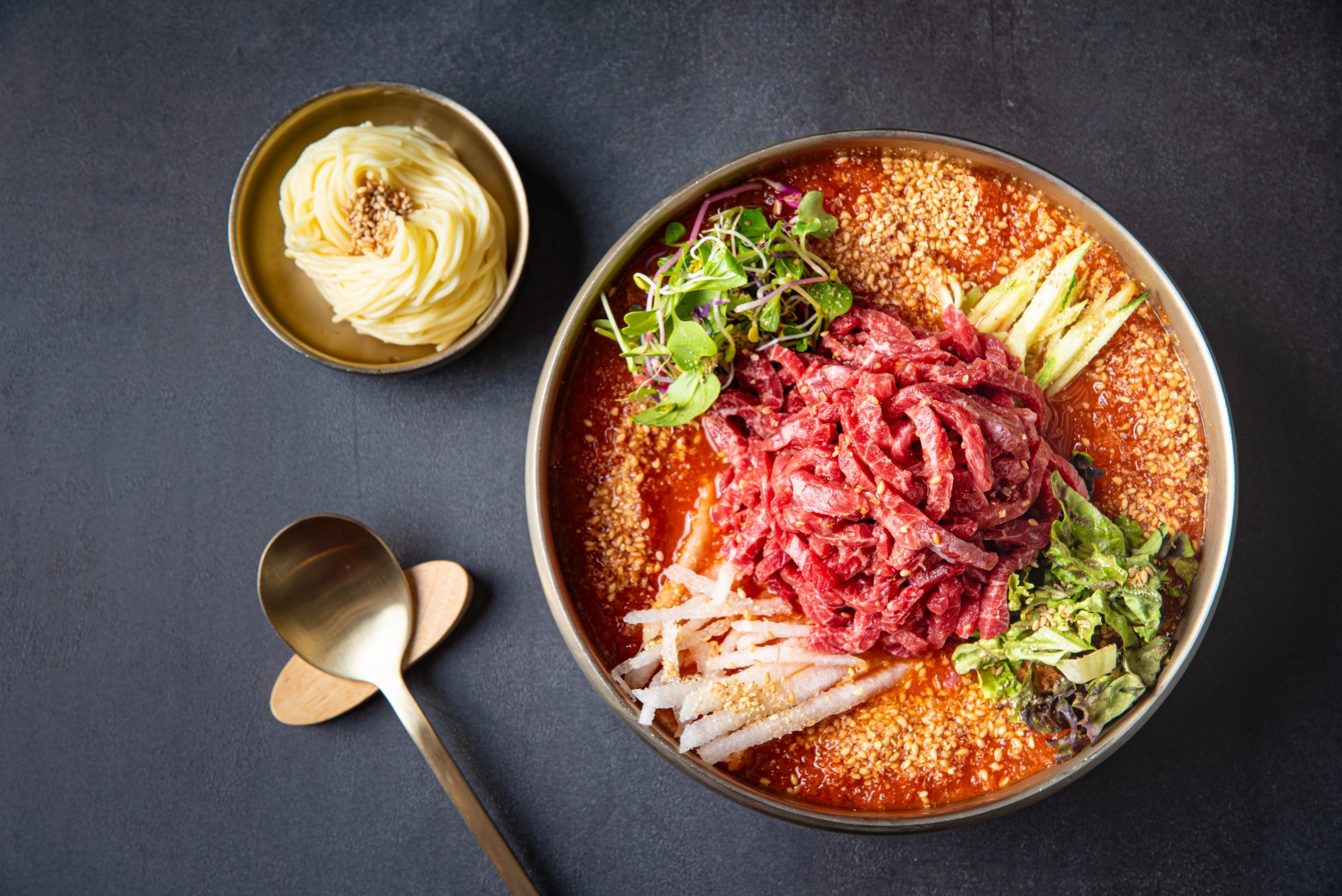
    Hanwoo beef tartare cold soup noodles (Yukhoe Mulhoe) at Hwangnam Ddukkeobi Sikdang Gyeongju


    Menu Item Price (KRW) Est. USD ($1 ≈ ₩1,350)* Best For
    Hang-ari Aged Kimchi Rib Stew ₩16,900 ~$12.50 USD First-timers, rich tangy kimchi broth (min. 2 orders)
    Cauldron Spicy Rib Stew ₩15,900 ~$11.80 USD Pure spicy chili heat with mushrooms & sprouts
    Royal Court Mild Rib Stew ₩15,900 ~$11.80 USD 100% non-spicy, children, sweet soy glaze
    Thin Buckwheat Pancake (메밀전) ₩4,000 ~$3.00 USD Popular side, perfect for wrapping ribs (Often promo)
    Cheomseongdae 7-Course Set ₩43,000 ~$31.80 USD Sharing platter for 2–3 seeking dish variety & photos
    Cheomseongdae Tteokgalbi ₩8,000 ~$5.90 USD Grilled savory beef patty side
    Royal Tomb Cheese Egg Soufflé ₩6,000 ~$4.40 USD Fluffy steamed egg with melted cheese
    Steamed White Rice (공기밥) ₩1,000 ~$0.75 USD Essential companion for the rib broth

    * Approximate USD estimates based on benchmark reference rate of $1 USD ≈ ₩1,350 KRW (actual billing reflects real-time bank rates).


    Location, Parking & Transit Tips

    📍 Address: 16 Poseok-ro 1050beon-gil, Gyeongju-si, Gyeongsangbuk-do
    (경북 경주시 포석로1050번길 16 황남두꺼비식당 황남본점)
    📞 Phone: 0507-1375-8026

    🚗 Parking for Rental Cars (Official Public Lots):
    Primary: Poseok-ro Public Parking Lot (포석로 공영주차장): Located at 1056-11 Poseok-ro (Hwangnam-dong 157-4). Managed by Gyeongju Facilities Management Corporation, this lot is a 4-minute walk (250m) through the hanok alleys. Inexpensive public rates: ₩500 for first 30 mins, ₩200 per 10 mins thereafter (approx. ₩1,100 / $0.80 USD per hour).
    Alternative: Daereungwon (Hwangnam District) Public Parking Lot (대릉원 황남지구 공영주차장): Located at 493-27 Hwangnam-dong. Spacious lot accommodating larger vehicles, about a 7-minute walk.

    🚶 Walking from Daereungwon & Hwangridan-gil:
    – Situated on a quiet street just one block west of the main Hwangridan-gil shopping promenade.
    – Only a 5-minute walk (400m) from the southern entrance of Daereungwon Royal Tomb Park.

    🚕 Getting There by Train or Bus:
    From Gyeongju KTX Station (경주역, formerly Singyeongju Station): Approximately 15–20 minutes by taxi (~₩15,000 / $11 USD), or take local Bus 700 / 50 to the Hwangnam Community Center stop. (Note: KTX tickets must be booked to “Gyeongju Station”).
    From Gyeongju Express Bus Terminal: A 15-minute walk or a 3-minute taxi ride.

    🗺️ Navigation Tip: Because Google Maps offers limited walking route navigation in South Korea, download Naver Map or KakaoMap (both support English) for accurate step-by-step directions.


    Store Information: Where to Eat in Gyeongju

    Information Details
    Name Hwangnam Ddukkeobi Sikdang – Hwangnam Main Branch (황남두꺼비식당 황남본점)
    Address 16 Poseok-ro 1050beon-gil, Gyeongju-si, Gyeongsangbuk-do
    Phone 0507-1375-8026
    Operating Hours Daily 11:00 – 21:00
    Break Time 15:00 – 17:00 (Kitchen strictly closed)
    Last Order 20:30 (Verified with official registry)
    Parking No private parking; use nearby Hwangnam Public Parking Lot
    Amenities High chairs available • Pet-friendly • Indoor waiting room • Free WiFi • Clean restrooms

    📍 View on Google Maps

    📍 Open Hwangnam Ddukkeobi on Google Maps


    Nearby Historic Highlights

    📌 Explore More Authentic Korean Food Guides:
    Planning foodie stops beyond Gyeongju? Check out our verified local guides on what to eat in Busan and the best seafood restaurant near Seogwipo Olle Market in Jeju.


    #GyeongjuFood #HwangridanGil #GyeongjuTravel #KoreanFoodGuide #Deunggalbijjim #WhatKoreansEat #Gyeongju

    🇰🇷

    About the Local Guide: What Koreans Eat

    Hi! I’m your local foodie friend in Korea. I personally explore hidden alleys and comb through thousands of authentic local reviews to find where real Koreans actually eat. My mission is to help foreign travelers avoid overpriced tourist traps and experience the vibrant, authentic food culture of Korea. Enjoy your trip!
  • Moru Kuda – Best Seafood Restaurant Near Seogwipo Olle Market (Local Favorite)

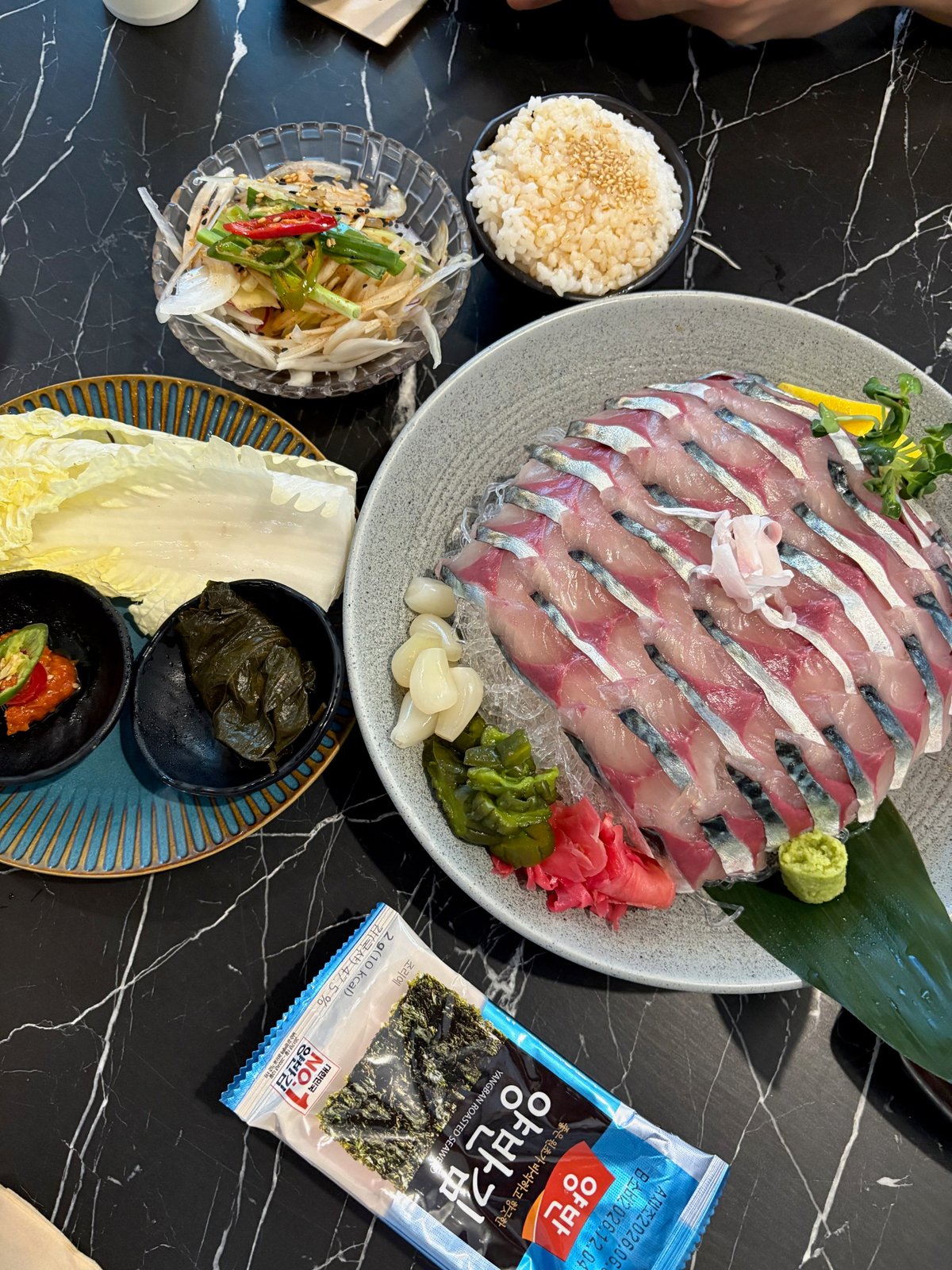
    Seogwipo local seafood restaurant with stunning sashimi spread

    If you’re looking for the best seafood restaurant near Seogwipo Olle Market, Moru Kuda Seogwipo Olle Market Branch (모루쿠다 서귀포올레시장점) is one of the most frequently recommended spots where local residents actually enjoy eating.

    Backed by over 34,000 verified visitor reviews on Naver (South Korea’s equivalent to Google) with an impressive 4.83 / 5.0 rating, this spot is a verified local favorite. Unlike many seafood restaurants along major tourist routes, Moru Kuda attracts a steady mix of local families, office workers, and regular customers from the Seogwipo area.


    Why Locals Recommend Moru Kuda

    • Fresh Jeju seafood delivered daily
    • Large menu suitable for groups
    • Walking distance from Olle Market
    • Strong ratings from repeat local customers
    • Comfortable dining environment for families

    Naver review data suggests that visitors consistently praise the freshness of the seafood and the overall dining experience.

    Most Frequently Mentioned Review Keywords

    Keyword Mentions
    Delicious food (음식이 맛있어요) 28,000+
    Fresh ingredients (재료가 신선해요) 18,380+
    Friendly service (친절해요) 12,400+
    Clean environment (인테리어/청결) 13,000+

    Fresh seafood display at Moru Kuda Seogwipo


    Must-Order Signature Dishes

    Fresh Mackerel Sashimi (신선한 고등어 회) — ₩42,000 (approx. $32 USD)

    Jeju is famous for mackerel sashimi because the fish must be served immediately after being caught to maintain its rich, buttery texture. Dipped in seasoned soy sauce and wrapped in toasted seaweed, it’s completely free of fishiness.

    Ttaksaewoo Sashimi (딱새우 회 / Red-Banded Lobster) — ₩35,000 (approx. $26 USD)

    Ttaksaewoo is Jeju’s prized crustacean. Peeled and served raw on ice, it has a distinctively sweet, lobster-like richness that melts in your mouth.

    💡 Local Ordering Tip: Many locals order mackerel sashimi together with Ttaksaewoo sashimi so they can enjoy both of Jeju’s most iconic raw seafood dishes in a single meal.

    Interior of Moru Kuda Seogwipo restaurant

    Assorted Sashimi (모듬사시미) — ₩49,000 (approx. $37 USD)

    A good option for first-time visitors who want to sample several kinds of seafood in one meal. A proper sashimi selection that lets you try multiple types of fish.

    Moru Kuda Yukhap Special (모루쿠다 육합) — ₩50,000 (approx. $38 USD)

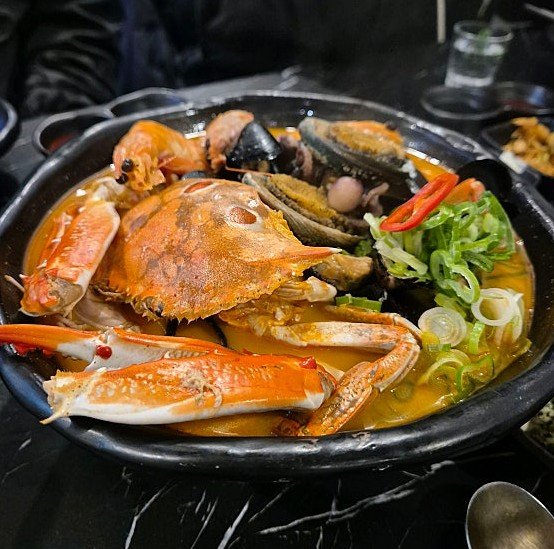
    The house signature. A multi-layered steamed platter combining fresh seasonal seafood (abalone, shellfish) with local Jeju pork and fresh vegetables. Perfect for sharing over drinks.

    Seafood Ramen (해산물라멘) — ₩16,000 (approx. $12 USD)

    Loaded with fresh seafood in a rich, comforting broth. An affordable, satisfying option for solo diners or a casual lunch.


    💡 Local Drink Pairing Recommendation

    To elevate your dining experience, pair your sashimi or Yukhap Special with Hallasan Soju (한라산 소주), Jeju’s iconic clear spirit, or Nimome (제주 감귤 니모메), a mildly sweet and fragrant Jeju citrus rice wine.


    Tourist Traps vs. Moru Kuda: The Value Difference

    Why do locals avoid seafood spots near the main tourist ports?
    Typically, a standard sashimi platter at a tourist-trap restaurant can set you back over ₩100,000 to ₩150,000 (approx. $75 – $115 USD) for heavily commercialized, mediocre fish.

    At Moru Kuda, a premium signature platter costs between ₩35,000 and ₩50,000 (approx. $26 – $38 USD). You get far superior, locally sourced quality at less than half the price.

    💰 Estimated Budget: Expect to spend around ₩30,000 – ₩40,000 (approx. $23 – $30 USD) per person for a highly satisfying meal with drinks.


    The Vibe: Clean, Spacious, and Comfortable

    Based on the reviews, Moru Kuda scores high on cleanliness, spacious layout, and a cozy atmosphere. The interior has been designed to actually feel nice, making it a great spot for families, groups of friends, and solo travelers alike.

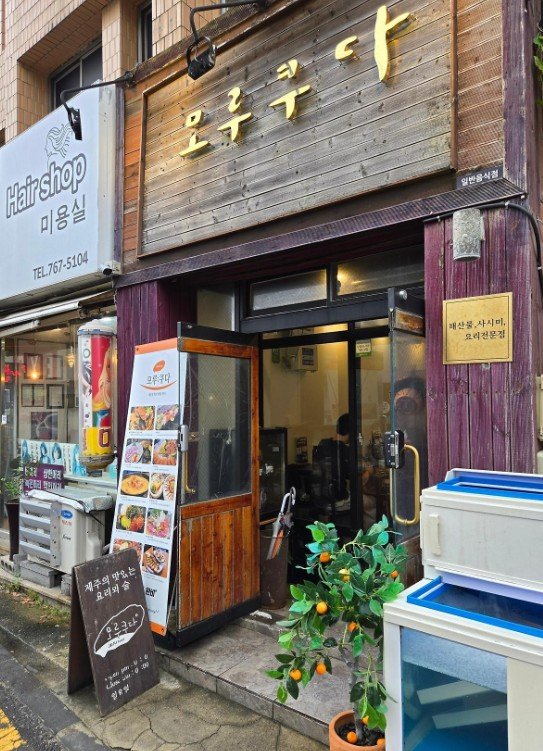
    Moru Kuda restaurant exterior in Seogwipo


    Foreign Traveler Cheat Sheet

    Best Time To Visit

    • Weekday Lunch: 11:30 – 13:00 (Peak)
    • Weekday Dinner: 17:30 – 19:30 (Peak)
    • Pro-Tip: Weekend evenings get packed fast. To avoid waiting without a reservation, arrive slightly before peak hours between 5:00 PM – 5:30 PM.

    Ordering & Dining Tips

    • Ordering Made Easy: Pointing to photos on your phone works wonders. Just show the staff the dish name and say:
      👉 “I-geo ju-se-yo” (이거 주세요 = This one, please).
    • Adjusting Spice: If you want your ramen spicier, tell the staff:
      👉 “Deo maep-ge hae-ju-se-yo” (더 맵게 해주세요 = Please make it spicier).
    • Payment: Major international credit cards accepted (Visa, Mastercard, etc.).

    Who Should Visit?

    • Seafood lovers looking for authentic quality
    • Couples seeking a cozy dinner vibe
    • First-time Jeju visitors
    • Travelers staying anywhere in the Seogwipo area

    Location & Getting There

    Seogwipo Olle Market is one of Jeju’s most popular traditional markets, attracting both locals and travelers. Moru Kuda is located right next to this vibrant area, making it ideal for exploring traditional street food snacks before or after dinner.

    📍 Address: 32 Taepyeong-ro 431beon-gil, 1F, Seogwipo-si, Jeju-do (제주 서귀포시 태평로431번길 32 1)

    🚕 By Taxi: Just show the driver the Korean address. From most Seogwipo hotels, it’s a quick 5-10 minute ride (around ₩5,000 – ₩7,000 / $3.80 – $5.30 USD).
    🚌 By Bus: Get off at the Seogwipo Olle Market bus stop. The restaurant is a short 3-minute walk away.

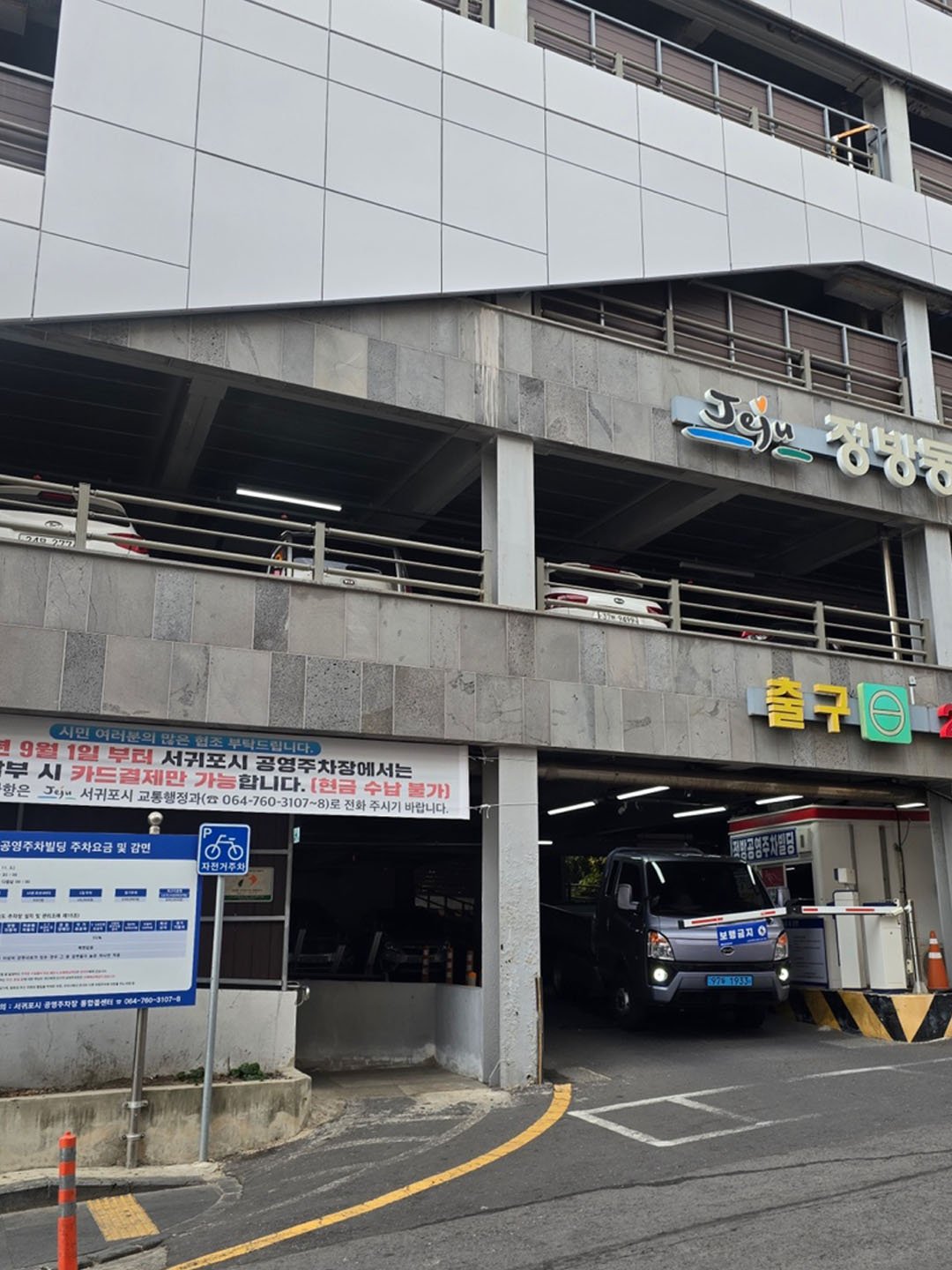
    🚗 By Car & Parking: Moru Kuda does not have its own private parking lot, but you can use the Jeongbang-dong Public Parking Lot (정방동 공영주차장) located right across the street (at the 10 o’clock direction from the entrance). It’s incredibly convenient and just a 30-second walk away.
    * Parking Fees: The first 30 minutes are free. After that, it costs ₩1,500 (approx. $1.15 USD) per 60 minutes, with a daily maximum of ₩10,000 (approx. $7.60 USD). Valet service is not provided.

    Phone: 0507-1364-1477

    Assorted sashimi platter at Moru Kuda


    What Locals Are Saying

    재료가 신선해서 어떤 걸 먹어도 맛있어요” — “No matter what you order, it’s delicious because the ingredients are fresh.”

    가성비가 좋아요” — “Great value for money.”

    Many reviewers specifically mention the restaurant’s value for money relative to the quality of the seafood.


    What to Do After You Eat

    1. Seogwipo Olle Market (서귀포 올레시장)

    Right outside. Fresh produce, local snacks, and the Jeju market experience. Perfect for a post-meal stroll.

    2. Jeongbang Waterfall (정방폭포)

    One of the few waterfalls in Asia that flows directly into the ocean. A 10-minute drive from Moru Kuda, and absolutely worth the visit.


    📍 Store Information

    Moru Kuda Seogwipo Olle Market Branch (모루쿠다 서귀포올레시장점)

    • 📍 Address: 32 Taepyeong-ro 431beon-gil, 1F, Seogwipo-si (제주 서귀포시 태평로431번길 32 1)
    • ⏰ Hours: 11:30 AM – 10:00 PM (Break time: 3:00 PM – 5:00 PM)
    • 📞 Phone: 0507-1364-1477
    • ⭐ Rating: 4.83/5.0 (34,354 reviews)
    • 🅿️ Parking: Jeongbang-dong Public Parking Lot (정방동 공영주차장)
    • 🌐 WiFi: Available
    • 📋 Reservations: Recommended for dinner

    📍 View on Google Maps


    Disclaimer: This is an independent guide curated based on real local data, receipt-verified reviews, and on-the-ground research to ensure you experience authentic Korean dining without tourist traps. Save this post, share it with your travel buddy, and enjoy your trip! 🐟✨

    🇰🇷

    About the Local Guide: What Korean Eat

    Hi! I’m your local foodie friend in Seoul. I personally explore hidden alleys and comb through thousands of authentic local reviews to find where real Koreans actually eat. My mission is to help foreign travelers avoid overpriced tourist traps and experience the vibrant, authentic food culture of Korea. Enjoy your trip!
  • Why Koreans Queue for Stone Pot Pasta in Seongsu: Itaeri Guksi

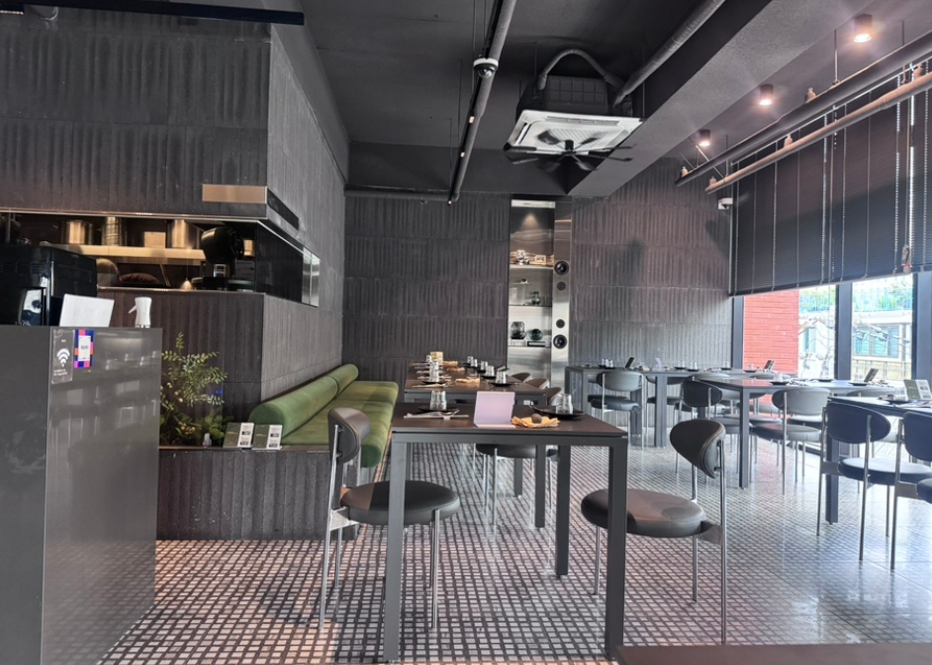
    Seongsu Italian Pasta restaurant interior

    Seongsu-dong is currently one of Seoul’s trendiest neighborhoods, often packed with young locals and tourists alike. While many queue up for ordinary cafes, savvy foodies head to 이태리국시 성수 (Itae-ri Guksi Seongsu). The brand became so successful here that it has now expanded to other upscale areas like Hannam and Dosan.

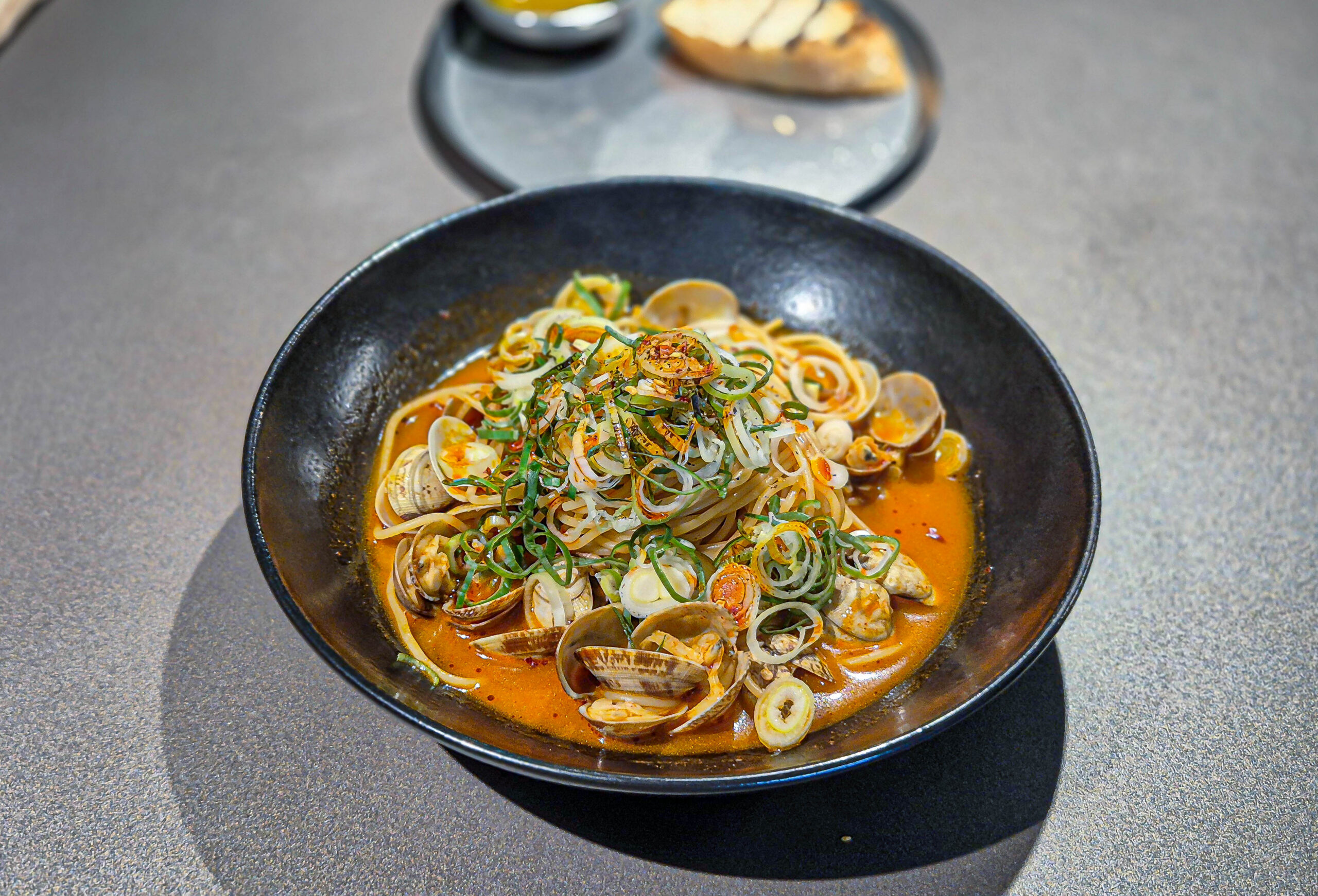
    The restaurant’s name, “Itae-ri Guksi”, cleverly combines Itae-ri (Italy) and Guksi—the traditional Korean regional dialect for noodles. They serve pasta in a traditional Korean heated stone pot (Dol-sot), ensuring the meal stays piping hot while creating a delicious crispy crust at the bottom.


    Why Do Koreans Love This Place?

    The restaurant has accumulated more than 11,000 reviews across major Korean platforms including Naver Place and Kakao Map. Here is why locals keep coming back:

    • Perfect Fusion: Traditional Korean ingredients like beef intestine (Gopchang) and braised ribs (Galbi-jjim) are beautifully reimagined into Italian pasta.
    • Crispy Texture: The heated stone pot naturally crisps up the bottom layer of the pasta, similar to Korean nurungji (scorched rice).
    • Date Spot Vibe: It is highly popular among Seoulites in their 20s and 30s for dates, thanks to its modern and sophisticated interior.
    • Generous Portions: Unlike typical fine-dining Italian restaurants in Seoul, the servings are large and meant for sharing.

    Interior of Seongsu restaurant


    Local Ordering Tips: What to Eat

    Foreign visitors might find the Korean menu overwhelming. Here are the most popular signature dishes and insider tips on how to enjoy them.

    Menu Item Price
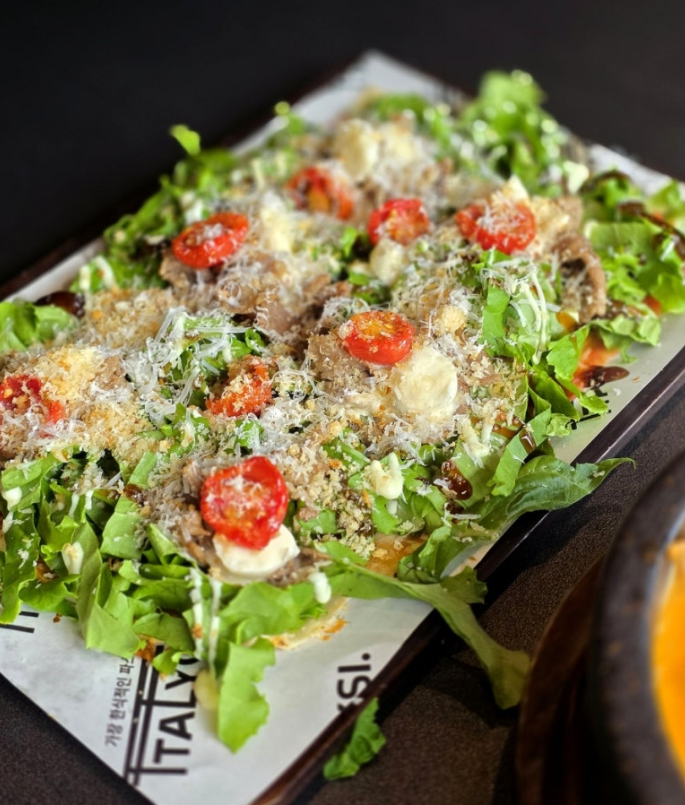
    Beef Intestine & Cheese Stone Pot Pasta (Gopchang)
    곱창치즈돌솥파스타
    ₩25,000 (approx. $17 USD)
    Samgyetang-style Half Chicken & Garlic Risotto (Ban-gye)
    반계마늘돌솥리조토
    ₩23,000 (approx. $16 USD)
    Braised Korean Short Rib Butter Pasta (Galbi-jjim)
    갈비찜버터파스타
    ₩19,000 (approx. $13 USD)

    ※ Currency conversions are for reference only and vary depending on exchange rates.

    💡 Local Foodie Tips

    • First-time visitors usually order the Gopchang (Beef Intestine) Stone Pot Pasta. The spicy cream sauce perfectly balances the rich flavor of K-BBQ intestines.
    • Wait for the crust: Leave the bottom layer of the pasta untouched in the hot stone pot for a few minutes. It creates a delightful crispy crust!
    • Share your meal: While it is basic etiquette in Korea to order one menu per person, the portions are large, so we recommend ordering 3 different dishes for 3 people and sharing them all!

    Korean stone pot pasta


    Location & Nearby Seongsu Attractions

    Address: 서울 성동구 왕십리로8길 18-1 3층 (3rd Floor, 18-1 Wangsimni-ro 8-gil, Seongdong-gu, Seoul)

    🔗 Map Links: Google Maps  |  NAVER Map

    Nearest Subway Stations:
    • Ttukseom Station (Line 2) — Exit 7 (3-minute walk)
    • Seoul Forest Station (Suin-Bundang Line) — Exit 1 (5-minute walk)

    Hours: Mon-Fri 11:30–21:30 (Break 15:00–17:00) | Sat-Sun 11:30–21:30 (No break)

    Phone: 0507-1411-0950

    Parking & Waitlist: Paid public parking is available nearby. Try to visit during off-peak hours or use the Catchtable app to avoid long queues.

    What to Do After Eating


    Frequently Asked Questions

    Is Itae-ri Guksi foreigner-friendly?

    Yes! Pointing to menu photos or using translation apps is very common, and the staff is quite accommodating to international guests.

    Is it worth waiting in line?

    If you want to experience how young Koreans enjoy fusion food in a trendy area, absolutely. However, using remote waitlist apps (Catchtable) will save you precious travel time.


    🇰🇷

    About What Korean Eat

    This guide is part of the What Korean Eat collection, focusing on authentic local food experiences in Seoul.

  • Dol Dak Gwangalli: Busan’s Famous Stone-Cooked Chicken (2026 Local Guide)

    Spacious dining area at Dol Dak Gwangalli perfect for group dining

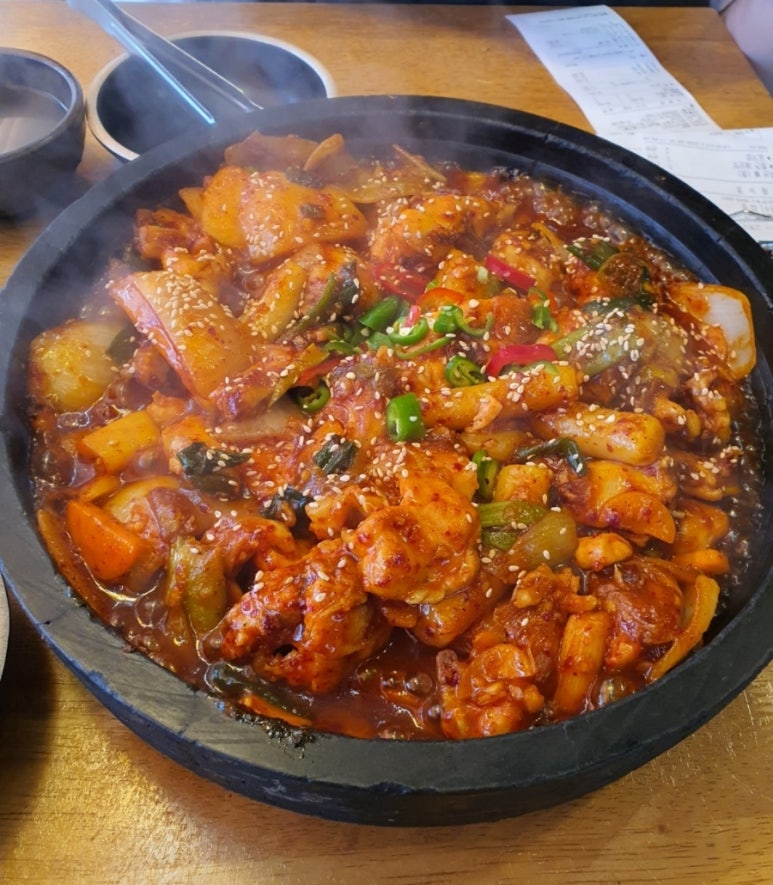
    When traveling to Busan, Dol Dak Gwangalli is a standout choice for authentic local dining. Located just 5 minutes inland from Gwangalli Beach, Dol Dak Gwangalli serves sizzling Dolpan Dakbokkeumtang (돌판 닭볶음탕), a rich stone-cooked Korean chicken dish beloved by local foodies.


    What Is Dakbokkeumtang at Dol Dak Gwangalli?

    If you are unfamiliar with Korean cuisine beyond BBQ or fried chicken, Dakbokkeumtang is a classic Korean braised chicken dish. Whole pieces of fresh chicken are simmered with potatoes, vegetables, and a savory, moderately spicy chili sauce.

    Unlike crispy fried chicken, it is a hearty, comforting stew-like meal cooked right at your table and designed for sharing. At Dol Dak Gwangalli, this signature dish is served on a heavy hot stone plate (Dolpan), which keeps the sauce simmering and caramelizes the edges of the chicken as you eat.


    Why Locals Love Dol Dak Gwangalli

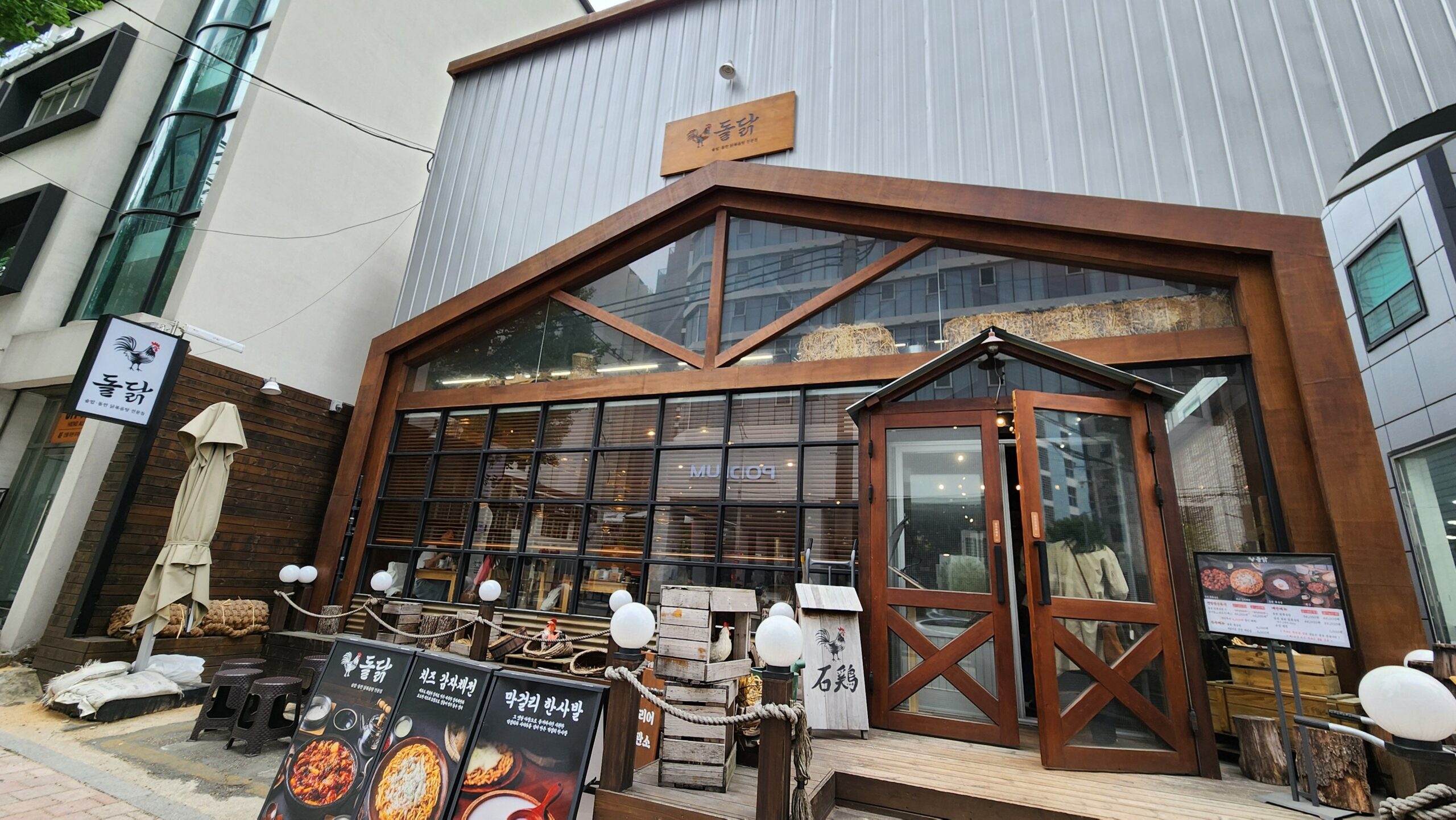
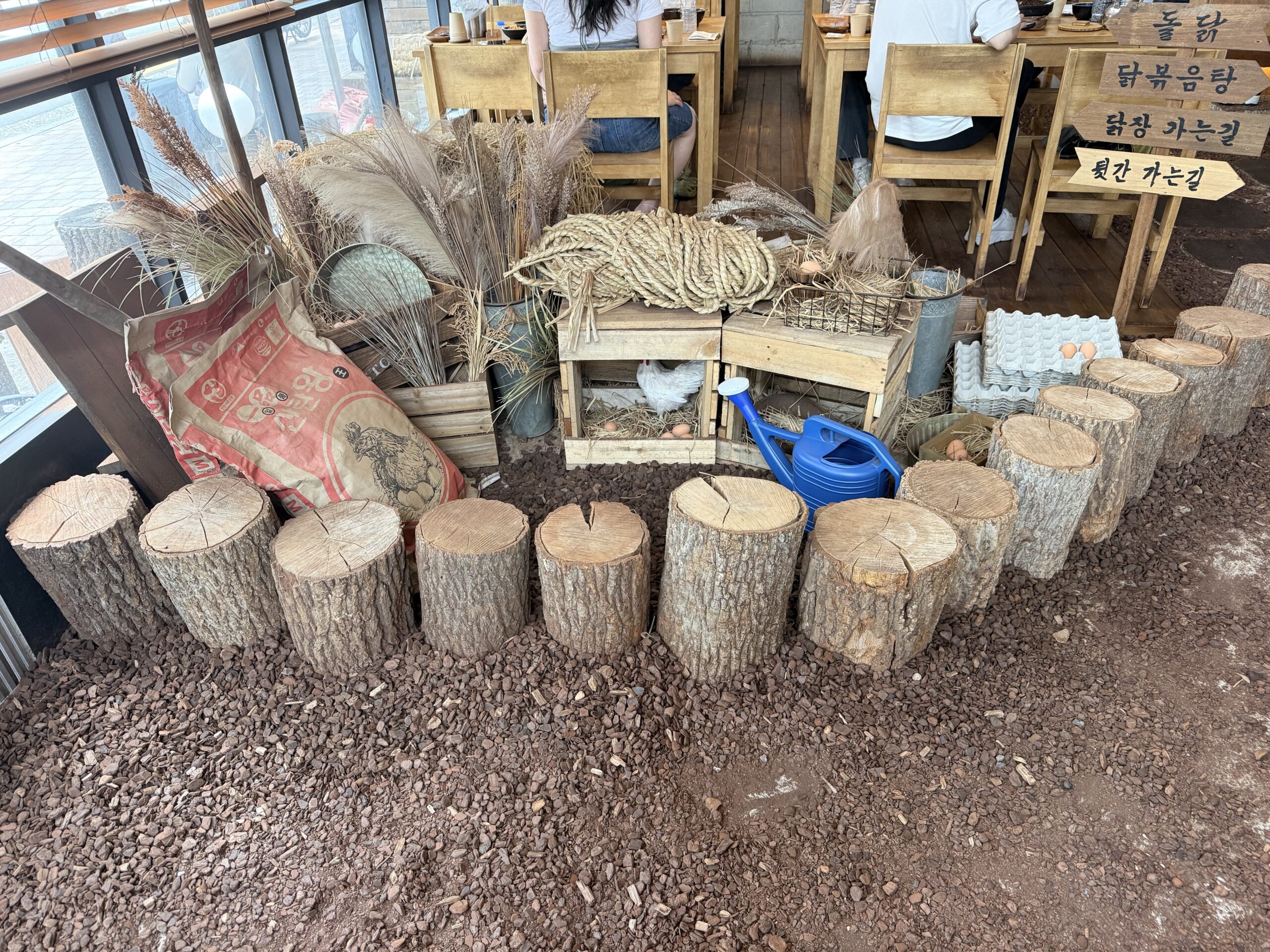
    Unique rustic Chicken Coop themed interior decor at Dol Dak Gwangalli

    What stands out about Dol Dak Gwangalli isn’t just the overall review count, but the consistency of the feedback. Looking through hundreds of verified local diner reviews, three key highlights appear repeatedly:

    1. Generous Portions: Portions are substantial, making it a great value choice for group dining.
    2. Unique Farmhouse Atmosphere: The interior features a rustic “Chicken Coop” (양계장) theme, creating a warm and memorable dining environment.
    3. Consistently Tasty Sauce & Sizzling Edges: The heavy hot stone plate creates delicious crispy caramelized edges while keeping the chicken juicy and tender.

    The Signature Dish: Stone-Cooked Chicken (돌판 닭볶음탕)

    Sizzling stone-cooked chicken hot pot at Dol Dak Gwangalli

    The main highlight of Dol Dak Gwangalli is the Dolpan Dakbokkeumtang. The chicken is fully cooked before arriving at your table on a blazing stone plate.

    🔥 Pro Local Tip: K-Fried Rice (볶음밥) & Noodles!
    Leave a few spoonfuls of chicken and sauce on the hot stone plate when you are nearly finished. Order Bokkumbap (볶음밥 – Fried Rice for ₩5,000 / ~$3.45 USD) or Udon noodles (우동사리). The staff will mix rice and seaweeds directly on the hot stone plate for a crispy finishing course that locals rarely skip.


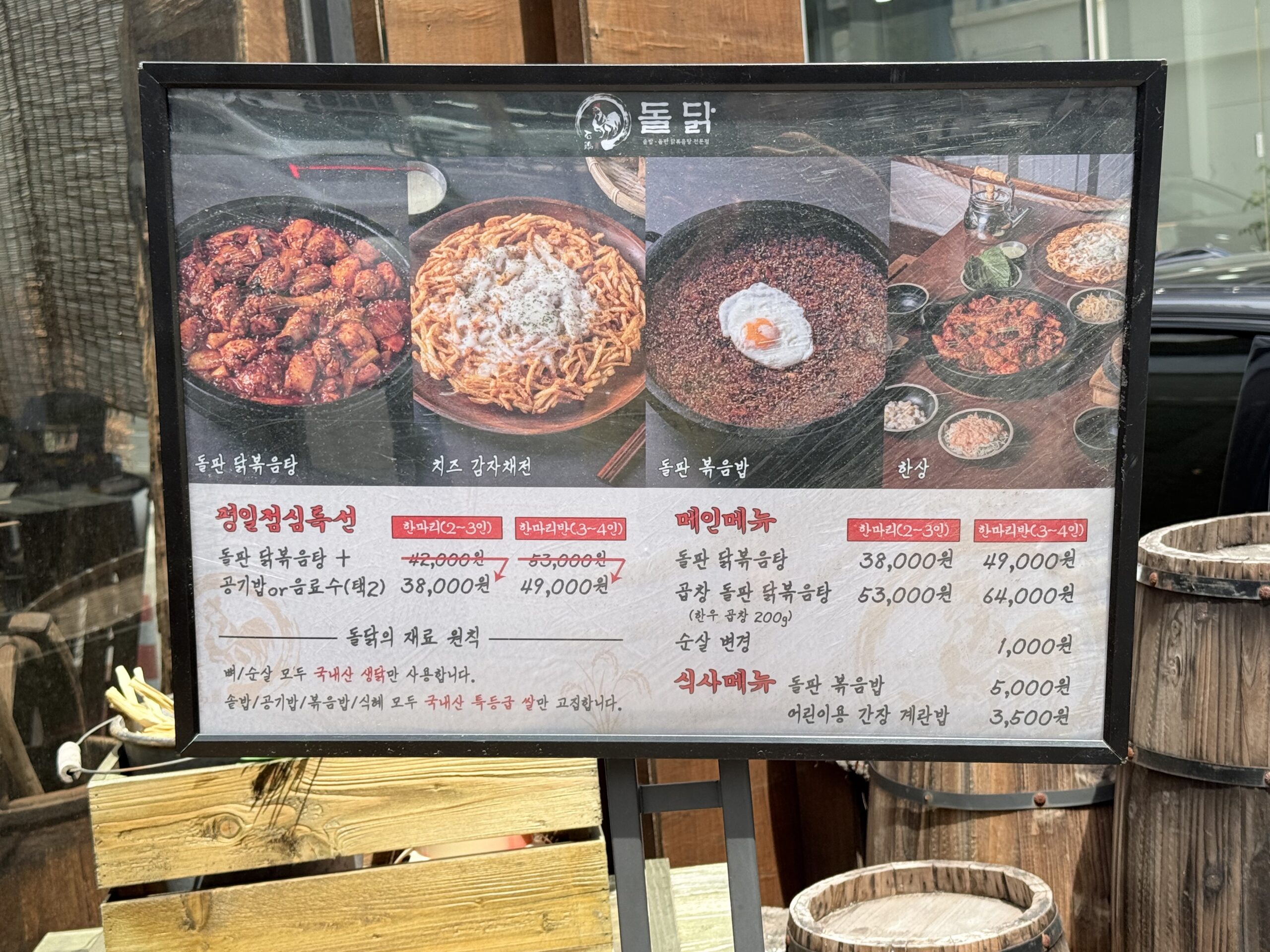
    Menu & Pricing at Dol Dak Gwangalli

    (Note: Prices listed reflect standard regular menu rates as of 2026. Estimated exchange rate applied: 1 USD ≈ 1,450 KRW. Temporary event promotions may occasionally apply on-site)

    Weekday Lunch Specials

    Menu Price (KRW / USD) Description
    Basic Set (Basic Table, Whole Chicken) ₩38,000 (~$26.20 USD) Dolpan Dakbokkeumtang + Rice or Drinks (Serves 2)
    Premium Set (Hansang, Whole Chicken) ₩47,000 (~$32.40 USD) Dolpan Dakbokkeumtang + Cheese Potato Pancake (M) + Rice/Drinks

    💡 What is a “Hansang” (한상) Set?
    “Hansang” literally means a “full table setting.” This set includes a complete spread featuring their crispy Cheese Potato Pancake (치즈감자채전), rice, or drinks.

    Main Options & Upgrades

    • 돌판 닭볶음탕 (Whole Chicken / 한 마리) — ₩38,000 (~$26.20 USD) (Serves 2–3 people)
    • Cheese Potato Pancake (치즈 감자채전 – Medium) — ₩9,000 (~$6.20 USD) / (Large) — ₩14,000 (~$9.65 USD)
    • Add Hanwoo Gopchang (한우 곱창 200g) — ₩15,000 (~$10.30 USD)
    • Bokkumbap (돌판 볶음밥 – Hot Stone Fried Rice) — ₩5,000 (~$3.45 USD)

    Foodie Note: Adding Korean Beef Intestines (Gopchang) turns the dish into Gop-Dakbokkeumtang, offering a richer, deeper flavor profile popular among local foodies. The Cheese Potato Pancake is also a popular side order, as its golden, crispy texture pairs exceptionally well with the spicy chicken sauce.


    ⚠️ Important Advice Before Visiting Dol Dak Gwangalli

    To ensure a smooth visit to Dol Dak Gwangalli, keep these practical local tips in mind:

    • ⚠️ Designed for Sharing: Portions are large (1 whole chicken serves 2–3 people). It is less suited for single solo diners.
    • ⚠️ Weekday vs. Weekend Reservations: Phone reservations (0507-1403-1289) are accepted for weekdays only. On weekends and holidays, expect on-site waiting or register via Catch Table.
    • ⚠️ Operating Hours & Break Time:
    • Hours: Daily 11:00 – 22:00 (Last Order: 21:00)
    • Break Time: 15:00 – 16:30 (Plan your arrival outside these times).
    • ⚠️ Parking Limitation: On-site parking is extremely limited (~1 space). Use nearby public parking (e.g., Gwangalli Beach Public Parking).
    • ⚠️ Spice Adjustments: “Mild” (덜 매운맛) still carries a mild Korean chili kick. To order mild, say: 덜 매운맛으로 주세요 (deol maeunmaseuro juseyo).

    Location & How to Get to Dol Dak Gwangalli

    Full spread of stone-cooked chicken hot pot at Dol Dak Gwangalli

    📍 Address: 부산 수영구 광남로 97 1층 돌닭
    (1F, 97 Gwangnam-ro, Suyeong-gu, Busan)

    🚇 Public Transit (Subway):
    Closest Station: Geumnyeonsan Station (금련산역 – Line 2), Exit 1 (5-minute walk, ~350m straight toward the beach).
    Alternative: Gwangan Station (광안역 – Line 2), Exit 3 or 5 (8–10 minute walk).

    🗺️ Navigation Tip: Note that Google Maps does not provide turn-by-turn walking directions in Korea. We recommend using Naver Map or KakaoMap for walking directions.


    Store Information

    Information Details
    Name Dol Dak Gwangalli (돌닭 광안점)
    Address 97 Gwangnam-ro, Suyeong-gu, Busan
    Phone 0507-1403-1289
    Hours Daily 11:00 – 22:00 (Break Time: 15:00–16:30, Last Order: 21:00)
    Amenities Weekday Reservations • Group seating • High chairs • Limited parking (1 spot) • Clean restrooms

    📍 View on Google Maps

    📍 View Dol Dak Gwangalli on Google Maps


    Nearby Attractions


    #DolDakGwangalli #BusanEats #Gwangalli #KoreanFood #Dakbokkeumtang #BusanTravel #WhatLocalsEat

    🇰🇷

    About the Local Guide: What Korean Eat

    Hi! I’m your local foodie friend in Seoul. I personally explore hidden alleys and comb through thousands of authentic local reviews to find where real Koreans actually eat. My mission is to help foreign travelers avoid overpriced tourist traps and experience the vibrant, authentic food culture of Korea. Enjoy your trip!
  • Best Affordable Omakase in Seoul: A Local Favorite Near Gimpo Airport (서울 오마카세 우미마토 마곡본점)

    Looking for the best Omakase in Seoul?

    In the quiet Magok district—a trendy new area near Gimpo Airport—there’s a sushi spot that continues to draw a strong local following. With nearly 13,000 visitor reviews and a stellar 4.72-star rating, Umimato (우미마토) is an excellent choice for travelers looking for an authentic dining experience. The restaurant focuses on seasonal seafood and chef-selected courses rather than multilingual tourist-oriented menus. If you’re looking for a reasonably priced omakase experience away from the busiest tourist areas, Umimato is worth considering.

    Why This Affordable Omakase in Seoul Stands Out

    Unlike many restaurants concentrated in major tourist districts, Umimato mainly attracts local office workers and residents. The restaurant remains busy on weekday evenings, suggesting a strong local following.

    According to local review keywords, diners most frequently mention:

    • The freshness of the seafood — High-quality ingredients prepared carefully
    • Value for money — A premium omakase experience at a budget-friendly price
    • Generous course portions — Every course feels intentional and satisfying

    The chef prepares each piece right in front of you. No assembly line. No shortcuts.

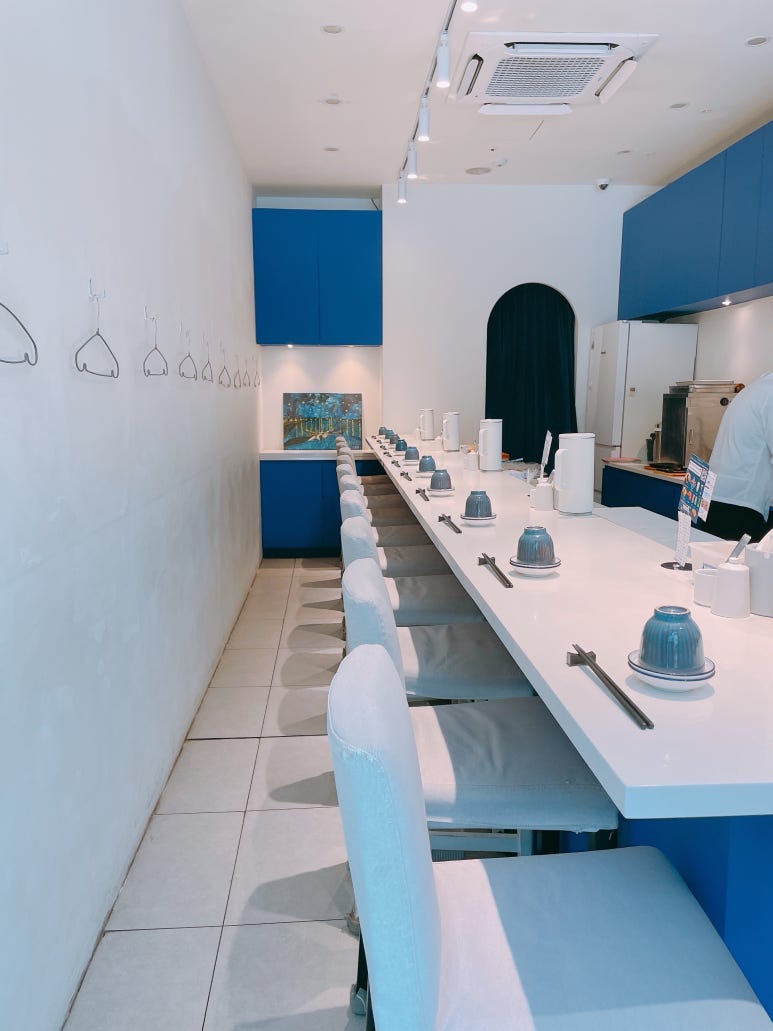
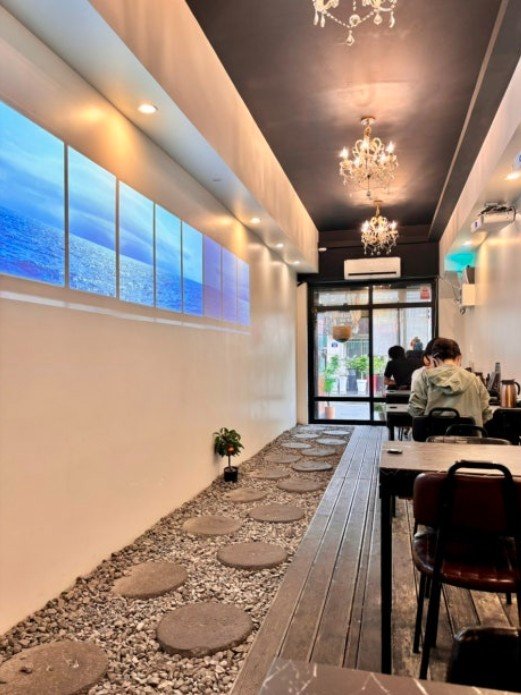
    Inside view of Umimato

    The Menu: What to Order

    Let me break this down for you in plain language:

    Menu Item Price Best For
    Umikase Course (우미카세코스) — 7-course omakase ₩35,000 (approximately $25 at current rates) First-timers, want the full experience
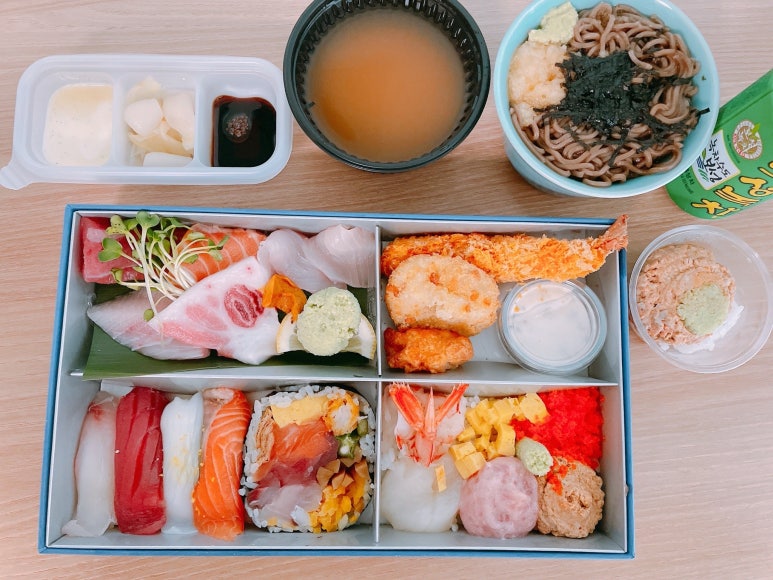
    Umikase Bento (우미카세 벤또) — Signature lunch box ₩39,900 (approximately $28 at current rates) Solo diners, generous portions
    Magok Healing Sushi (마곡힐링초밥) — 12pc omakase sushi ₩29,900 (approximately $21 at current rates) Budget-friendly, still premium
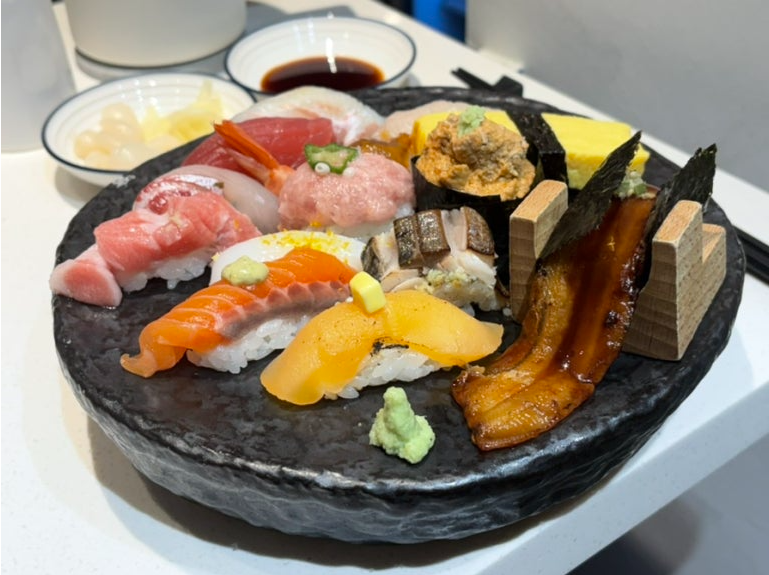
    Umimato Palette (우미마토 팔레트) — 9-piece harmony ₩43,900 (approximately $31 at current rates) Instagram-worthy, special occasions
    Melt-in-Your-Mouth Aged Sashimi — 12 varieties ₩49,900 (approximately $36 at current rates) True sashimi lovers, splurge-worthy

    For first-time visitors, the Umikase Course offers a balanced introduction to the restaurant’s style. It’s a comprehensive 7-course meal where you get to enjoy high-end aged sashimi, fresh seasonal nigiri sushi, deep-fried agemono, and a warm bowl of soup to finish. This balanced course lets you experience the chef’s diverse techniques without committing to the most expensive option.

    Umikase Course

    The Vibe: What to Expect

    Clean. Cozy. Note: This is an adults-only dining space. The interior gets mentioned positively 1,000+ times — people specifically call it “아늑해요” (cozy and warm).

    Perfect for:

    • 🎯 Date night (locals literally say “특별한 날 가기 좋아요” — great for special occasions)
    • 🎯 Solo dining (“혼밥하기 좋아요” — Korean for “great for eating alone”)
    • 🎯 Catching up with friends (“대화하기 좋아요” — perfect for conversation)

    They’ve got parking (mentioned 700+ times), WiFi, and accept cashless payment (card-friendly). So practically zero hassle.

    How to Get There

    Umimato is located in the Centennia building on Gonghang-daero in Magok:

    📍 Address: Seoul Gangseo-gu, Gonghang-daero 219, Centennia 114-ho

    It’s about a 7-minute walk from Magok Station (Line 5) Exit 1, or you can also walk from Magoknaru Station (Line 9 / Airport Railroad) Exit 5. The area is developing fast — lots of new apartments and offices around, which means this spot is definitely serving working locals.

    Umikase Bento

    Tips for Visiting Umimato

    📌 RESERVATIONS: Highly recommended! Weekends fill up FAST. Naver booking can be difficult for foreigners, so we recommend checking if they are on Catch Table Global (Korea’s standard restaurant reservation app for foreigners). If not, the easiest way is to ask your hotel front desk to call 0507-1367-5832 and make a reservation for you.

    💳 PAYMENT: They accept “간편결제” (simple payment) — basically credit/debit cards. Cash is fine too. No weird foreign-card problems here.

    🍣 SPICY LEVEL: Traditional omakase isn’t spicy. If you want a kick, ask for extra wasabi or pickled ginger. The soy sauce is already perfect — don’t drown your fish!

    📋 HOW TO ORDER: Just say “우미카세코스 하나 주세요” (Umikase course, one please) — the 7-course is foolproof. Pointing at the menu also works perfectly.

    🥢 ETIQUETTE: It’s casual but respectful. Eat sushi with your hands or chopsticks. Don’t dip rice in soy sauce — dip the fish side. Small things that show you respect the craft.

    🍱 DELIVERY TIP: If your Airbnb or hotel is nearby in the Magok area, you can also get their spectacular signature Bento box delivered right to your door via delivery apps. It’s a great option for a relaxing premium night in.

    Omakase Near Gimpo Airport: A Convenient Choice

    If you’re arriving at or departing from Gimpo Airport, Umimato is only one subway stop away via the Airport Railroad. It can be an easy lunch or dinner stop before a domestic flight to Jeju or after landing in Seoul.

    Nearby Attractions: Make a Day of It

    Since you’re heading to the Magok area, why not explore a bit? Magok is full of modern attractions:

    🌿 Seoul Botanic Park (서울식물원) — A stunning urban oasis and greenhouse. It’s a quick walk or bike ride away, making it the perfect healing course to stroll through after your meal.

    🎭 LG Arts Center Seoul — Designed by Tadao Ando, this architectural masterpiece frequently hosts world-class performances and is just a short walk from the restaurant.

    🌊 Magok Waterfront Park — A peaceful riverside park perfect for an evening walk if you dine later in the day.

    Is This One of the Best Budget Omakase Restaurants in Seoul?

    Here’s the truth: 4.72 stars from nearly 13,000 local reviewers. That’s not fake hype. That’s Seoul locals choosing this spot with their own money, again and again.

    For around ₩35,000-50,000 (approximately $25-36 at current rates), you’re getting a sushi omakase in Seoul that offers incredible value for the quality. Travelers who prefer local neighborhoods over major tourist districts may appreciate this restaurant.


    📍 Store Information

    Umimato Omakase Magok Main Branch (우미마토 마곡본점)

    • 📍 Address: Seoul Gangseo-gu, Gonghang-daero 219, Centennia 114-ho
    • 📞 Phone: 0507-1367-5832
    • ⏰ Hours: 11:30 – 21:30 (Break time: 15:00 – 17:30)
    • 🅿️ Parking: Available
    • 🌐 WiFi: Available

    📍 View on Google Maps


    Have you been to Umimato? Drop a comment below — I want to hear what you ordered!

    🇰🇷

    About the Local Guide: What Korean Eat

    Hi! I’m your local foodie friend in Seoul. I personally explore hidden alleys and comb through thousands of authentic local reviews to find where real Koreans actually eat. My mission is to help foreign travelers avoid overpriced tourist traps and experience the vibrant, authentic food culture of Korea. Enjoy your trip!
  • Jeju Pork BBQ: 7 Local Tips to Skip Myeongdong & Find the Best Spot

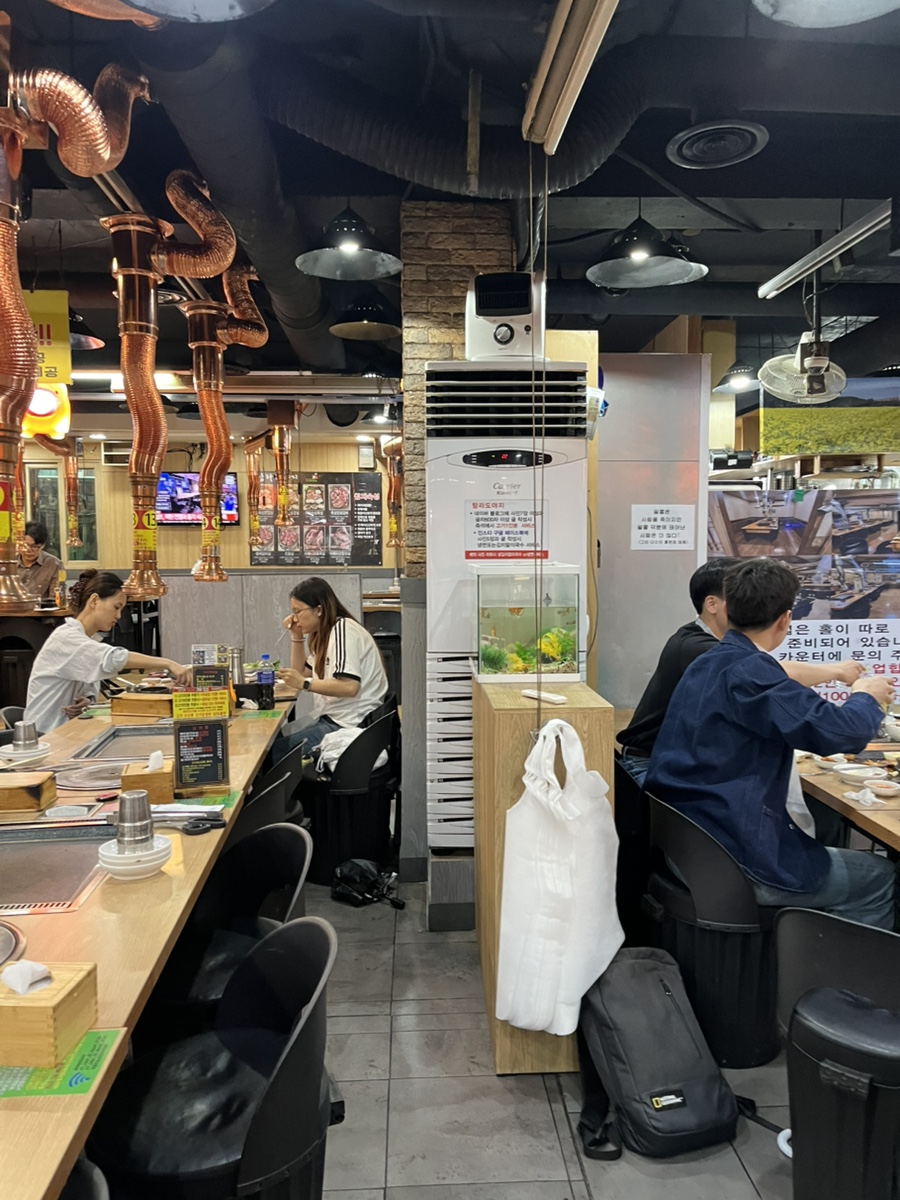
    Enjoy authentic Jeju pork BBQ at the spacious and clean interior layout of Tamna Doyaji Gyodae main branch in Seoul

    If you’ve been scrolling through generic travel guides for “best Myeongdong BBQ,” you’re probably going to end up in an overpriced tourist trap. When I want real, authentic Jeju pork BBQ, I skip the tourist hubs entirely. I head over to 탐라도야지 교대역본점 (Tamna Doyaji Gyodae Station Main Branch).

    Located in the office-heavy district of Gyodae, it is just one subway stop (or a pleasant 15-minute walk) from the heart of Gangnam Station. This spot is packed with local office workers rather than tourists. At the time of writing, it holds an incredible 4.81 rating on Naver Maps—Korea’s absolute number one search engine and map service, often called the “Google of Korea”—with over 19,800 reviews.

    Here’s what it was actually like when I visited on a busy weekday evening to enjoy this famous Jeju pork BBQ.

    The Vibe: Sizzling Stone Plates and Local “Hoesik” Culture

    I arrived on a Tuesday evening at around 7:30 PM—right when local office workers finish their day. The place was packed, and the air was thick with the rich, savory smell of grilling pork.

    Fair warning: your clothes will smell like BBQ when you leave. Luckily, they provide large plastic bags under the seats where you can stuff your jacket and bags to protect them from the smoke.

    There was about a 15-minute wait, which isn’t bad for a prime dinner slot. While waiting, I noticed that almost every table was drinking soju and laughing loudly. This is a classic example of Korean Hoesik (after-work company dining culture), where coworkers bond over loud conversations and heavy drinks. It’s a loud, energetic local restaurant—definitely not a quiet, romantic date spot.

    Another massive advantage is that Tamna Doyaji is open 24 hours a day, 365 days a year. If you are a traveler struggling with jet lag at 3 AM, or looking for a late-night meal after drinking in Gangnam, this 24/7 schedule makes it easy to satisfy your Jeju pork BBQ cravings.

    Thick cuts of premium Jeju pork BBQ grilling on a traditional stone plate with kimchi and bean sprouts

    Why This Jeju Pork BBQ Is So Popular

    The pork served here comes from Jeju Island, which is famous in Korea for producing the most tender and flavorful Jeju pork BBQ due to the volcanic environment. In fact, the restaurant’s name highlights this heritage: “Tamna” (탐라) is the ancient kingdom name for Jeju Island, and “Doyaji” (도야지) is an old Korean dialect word for pig.

    A quick look at their Naver Map page (the Korean equivalent of Yelp) shows exactly why locals are obsessed. The top review keywords tell the whole story:

    • “Food is delicious” — 11,385 mentions
    • “Great value for money” — 6,068 mentions
    • “High-quality meat” — 5,896 mentions
    • “Generous portions” — 4,297 mentions
    • “Spacious restaurant” — 4,294 mentions
    • “Great for group gatherings” — 3,058 mentions

    With quality, quantity, and reasonable pricing, it ranks high on local recommendations. If you’re exploring food in Seoul, you can Compare Local Korean Restaurants Near Gangnam to see just how competitive the pricing is here.

    Is Tamna Doyaji Tourist-Friendly?

    Yes, but keep in mind that it’s a raw, local experience rather than a sanitized tourist spot. Here is what you need to know before you go:

    • The Language Barrier: The staff speaks very limited English. However, ordering is a breeze—the menu on the wall features clear photos, so you can simply point to what you want. Using a translation app is also a great way to make communication even smoother.
    • The Solo Dining Rule: Like most authentic K-BBQ joints in Seoul, there is a minimum order of 2 portions of meat to use the table grill. If you are traveling solo, you won’t be able to do the BBQ, but you can order the Jeyuk Ssambap (제육쌈밥 – Spicy Pork Rice Bowl) for just ₩9,000, which is served as a generous single-portion meal.
    • DIY Grilling: During peak hours, the restaurant gets incredibly busy, meaning you are mostly on your own. The staff will lay down the initial spread—placing the thick cuts of meat, sour kimchi, bean sprouts, and garlic onto the hot stone plate—but you are responsible for flipping and cutting the meat yourself. (Tip: Wait until the bottom gets crispy before flipping!)

    What We Ordered & The Cost

    We went as a group of two and ordered the classic cuts. The side dishes (banchan) here are incredibly generous. They automatically serve a fluffy steamed egg soufflé (gyeran-jjim), a bubbling soybean paste stew (doenjang-jjigae), and even a small raw squid, tteokbokki, and tofu to grill on the side—all for free.

    Item Price (KRW) Note
    제주도 오겹살 (Jeju Pork Belly – 1 portion / 170g) ₩17,000 Incredibly thick, with the skin left on for a chewy texture.
    제주 목살 (Jeju Neck Meat – 1 portion / 170g) ₩17,000 Leaner than the belly, but extremely juicy.
    볶음밥 (Bokkeumbap / Fried Rice – 1 portion) ₩5,000 Fried directly on the stone plate using the remaining pork fat.
    소주 (Soju) ₩5,000 The classic pairing.
    Total Bill ₩44,000 Approximately $27 USD.

    For premium Jeju pork near Gangnam, this price is exceptionally cheap. If you look at other Best Korean BBQ spots in Seoul, you’ll find tourist areas like Myeongdong easily charge ₩25,000+ per portion for similar quality.

    A generous full table layout of Jeju pork BBQ at Tamna Doyaji featuring grilled pork belly and various side dishes

    How to Eat K-BBQ Like a Local (Pro Tips)

    To get the absolute best flavor profile from your Jeju pork BBQ, follow these traditional Korean eating methods:

    1. The Perilla Leaf Flip: Take a fresh perilla leaf (kkaennip). Instead of using the shiny front side, flip it over and place the meat on the rough back side. This hides the rough texture of the leaf on the inside and lets the smooth side hit your tongue first, making it taste much better.
    2. The Stone-Plate Kimchi: Do not eat the kimchi cold. Let it sit at the bottom of the angled stone plate. It will cook in the running pork fat, turning sweet, caramelized, and incredibly delicious.
    3. The Meljeot Dip: You will see a small stainless cup of brown sauce (meljeot – fermented anchovy sauce) on the grill. Let it bubble. Dip your grilled pork neck directly into it for a deep, savory umami kick.
    4. Finish with Bokkeumbap: Even if you are full, order one portion of Bokkeumbap (fried rice) at the end. The staff will fry rice directly on the leftover pork oil and kimchi juices on the stone plate. It is the ultimate finale of a Korean BBQ meal.
    5. Free Soft-Serve Ice Cream: No matter how full you are, make sure to grab a free soft-serve ice cream on your way out. It is the perfect sweet, cooling palate cleanser after a greasy meat feast.

    Is Tamna Doyaji’s Jeju Pork BBQ Worth It?

    If you want an authentic, unrefined, and loud local Jeju pork BBQ experience, absolutely.

    The pork belly (Ogyeopsal) is the star of the show. Wrapping a piece of crispy pork belly in a perilla leaf, adding grilled sour kimchi, grilled garlic, and a dab of savory ssamjang paste is a culinary experience you won’t get at tourist-catered spots.

    However, if you prefer quiet dining, English-speaking staff who grill the meat for you, or you are traveling completely alone, you might want to try other options.

    Getting There & What to Do Next

    🗺️ Address:
    * English: Jeongwon Building, 82 Seochodaero 50-gil, Seocho-gu, Seoul
    * Korean (Copy for Maps): 서울 서초구 서초대로50 82 정원빌딩

    Getting here is simple: take Subway Line 2 or 3 to Gyodae Station, take Exit 14, and walk straight for about 5 minutes to experience this legendary Jeju pork BBQ.

    What to do after dinner?

    Since the dinner is heavy and greasy, I recommend walking it off. I walked about 15 minutes from the restaurant to the Seoul Arts Center (서울예술의전당). If you visit on a summer evening, sitting by their outdoor musical fountain is surprisingly peaceful compared to the crowded streets of Gangnam.


    Frequently Asked Questions

    Can foreigners eat here without speaking Korean?

    Yes. Ordering is straightforward and menu photos on the wall make communication easy. Pointing is usually enough.

    Is there a minimum order?

    Yes. Table BBQ requires at least two portions of meat. Solo travelers can order the single-portion lunch menu instead.

    Do they accept foreign credit cards?

    Yes, all major international credit cards are accepted.

    Is it good for solo travelers?

    The lunch menu (like the Spicy Pork Rice Bowl) is better suited for solo diners. Grilling meat is best done in groups of two or more.


    Want to know more about our food adventures? Check out About Us to learn about our mission.

    🍽️ Store Information

    탐라도야지 교대역본점 (Tamna Doyaji Gyodae Station Main Branch)

    • 📞 Phone: 0507-1399-3337
    • 🕐 Hours: Open 24 hours a day, 365 days a year (연중무휴 24시간 영업)
    • 🚗 Parking: Available (주차) + Valet (발렛파킹)
    • ⭐ Rating: 4.81/5.0 (19,806 reviews as of mid-2026)

    🧭 View on Google Maps

    🇰🇷

    About the Local Guide: What Korean Eat

    Hi! I’m your local foodie friend in Seoul. I personally explore hidden alleys and comb through thousands of authentic local reviews to find where real Koreans actually eat. My mission is to help foreign travelers avoid overpriced tourist traps and experience the vibrant, authentic food culture of Korea. Enjoy your trip!